


Standing majestically upon the sacred mound of Nilachala in the heart of Puri, the 12th-century Shree Jagannath Temple is the spiritual nucleus of Sanatana Dharma, the cardinal Eastern shrine of the sacred Char Dham, and an awe-inspiring wonder of Kalinga temple architecture.
Here, the Supreme Lord of the Cosmos manifests as Daru Brahma (the Wooden God), worshipped alongside his elder brother Lord Balabhadra and sister Devi Subhadra. From the daily death-defying flag-changing ritual atop the 214-foot Vimana to the world-famous Ratha Yatra, Shree Jagannath Temple remains one of humanity's most vibrant living pilgrimage traditions.

Within the sanctum sanctorum (Garbhagriha) upon a raised jewelled stone altar known as the Ratnavedi, sit the divine siblings alongside the sacred pillar Sudarshana Chakra:
The Lord of the Universe (manifestation of Lord Krishna/Maha Vishnu). Characterized by his dark neem-wood hue and compassionate, large circular eyes (Chaka Dola). His incomplete wooden form symbolizes the formless, all-pervading Brahman who has no physical boundaries.
The elder brother, associated with Balarama and Ananta Sesha. Rendered in a bright white countenance with oval-shaped eyes. Balabhadra symbolizes spiritual strength, moral fortitude, cosmic knowledge, and divine protection over the earth.
The beloved sister of Jagannath and Balabhadra, placed affectionately between her two brothers. Rendered with a warm yellow/golden complexion. Subhadra represents supreme creative energy (Yogamaya), auspiciousness, and unconditional motherly love.
Commissioned by Emperor Anantavarman Chodaganga Deva in 1135 CE and consecrated by Emperor Ananga Bhima Deva III, the temple represents the pinnacle of Pancharatha Kalinga architectural engineering. The monumental structure aligns four interconnected stone halls along a single east-west ceremonial axis:
The 214-foot Rekha Deula crowning the sanctum sanctorum. The tower casts no shadow on the ground at noon due to intricate corbelling and astronomical geometry.
The pyramidal assembly hall (Pidha Deula) where pilgrims gather. Its stepped cornices and corbelled stone roof withstand coastal cyclone gales without mortar.
The festive dance hall supported by magnificent stone pillars, where temple devadasis (Maharis) historically performed devotional Odissi dance recitals.
The grand Hall of Offerings covered with carved mythological friezes, where the massive cooked feasts are ceremonially offered to Lord Jagannath by sevayats.
Crowning the apex of the 214-foot Vimana sits the monumental Nilachakra (Blue Wheel) — an eight-metal alloy (Ashtadhatu) disc measuring 11 feet in circumference. The sacred Patitapabana Bana flag affixed to the Nilachakra mysteriously flutters opposite to the direction of ocean wind.
Every evening before sunset, regardless of weather, hereditary sevayats known as Chunara Sevayats scale the smooth vertical 214-foot stone deula barehanded without ropes or safety harnesses to replace the sacred flag with a fresh cloth.
Directly facing the Singhadwara stands the monumental Aruna Stambha (Sun Pillar). This exquisite 33-foot 8-inch monolithic 16-sided chlorite stone pillar was originally erected in front of the 13th-century Konark Sun Temple.
In the late 18th century, the Maratha administration brought this chlorite pillar from Konark to Puri to protect it from ocean erosion, placing Aruna (the celestial charioteer of the Sun God) in eternal obeisance before Lord Jagannath.
The massive outer fortification wall, Meghanada Pacheri (665 ft by 640 ft, soaring 20 to 24 feet high), is pierced by four cardinal gates guarded by symbolic stone guardians:
The Lion's Gate: The ceremonial main gateway facing Grand Road (Bada Danda). Flanked by two colossal crouching stone lions, representing dharma and sovereignty.
The Horse's Gate: Guarded by majestic war stallions carrying Jagannath and Balabhadra during the historical Kanchi-Kaveri military expedition.
The Tiger's Gate: Guarded by sculpted royal Bengal tigers, representing penance, spiritual mastery, and victory over mortal desire.
The Elephant's Gate: Flanked by massive stone elephants representing prosperity and wisdom. This royal entrance connects directly to Ananda Bazaar.
Entering through the Singhadwara, devotees ascend the famous Baisi Pahacha — 22 broad laterite stone steps leading into the inner courtyard (Kurma Bedha).
Spiritually, each step symbolizes one of the 22 cardinal human attachments, egoistic bondages, or spiritual planes that a soul must surrender before beholding the Supreme Lord. Devotees touch the sacred dust of these steps to their foreheads, as millions of saints — including Adi Shankaracharya, Sri Ramanujacharya, Sri Chaitanya, and Guru Nanak — have sanctified them with their footsteps.
A cherished family tradition involves gently rolling young children on these sacred steps to receive Lord Jagannath’s lifelong protection and divine health blessings.

The seva of Lord Jagannath is conducted according to royal protocols where the deity is treated as a living monarch (Chhatisa Nijoga). Review the general sequence of daily nitis below:
| Approximate Time | Sacred Ritual (Niti) | Spiritual Description |
|---|---|---|
| 05:00 AM | Dwarapitha & Mangala Alati | Opening of the sanctum doors followed by the auspicious morning lamp-waving ritual. |
| 06:00 AM – 06:30 AM | Mailam & Abakash | Change of royal night clothes followed by holy tooth-brushing and the deity's herbal bath. |
| 08:00 AM – 08:30 AM | Sahanamela (General Darshan) | Public free darshan allowing devotees to view the deities up close near the Ratnavedi. |
| 08:30 AM – 09:15 AM | Gopala Vallabha Bhoga | Morning breakfast offering consisting of ripe bananas, curd, sweets, puffed rice, and fresh butter. |
| 10:00 AM – 10:30 AM | Sakala Dhupa | The first cooked morning feast featuring 13 traditional preparations including Enduri and Pitha. |
| 11:00 AM – 11:30 AM | Bhoga Mandapa Dhupa | Massive community food offering consecrated in the Bhogamandapa for pilgrims and mathas. |
| 12:30 PM – 01:00 PM | Madhyanha Dhupa | The royal midday meal featuring aromatic rice, Dalma, and festive Odia vegetable curries. |
| 01:00 PM – 02:00 PM | Pahuda (Afternoon Rest) | Sanctum doors temporarily close as the divine siblings take their sacred afternoon rest. |
| 06:00 PM – 06:30 PM | Sandhya Alati | The grand evening twilight lamp ceremony illuminating the gold and floral adornments. |
| 07:00 PM – 08:00 PM | Sandhya Dhupa | Evening cooked feast offered amidst blowing of conch shells, chanting, and mridanga drums. |
| 08:30 PM – 09:30 PM | Chandanamalagi & Mailam | Application of fragrant sandalwood paste followed by dressing in fine festive silks. |
| 11:00 PM – 11:30 PM | Bada Simhara Dhupa & Sayana | Late-night sweet feast, singing of Jayadeva’s Gita Govinda, and closing of doors for the night. |
*Note: Timings are approximate and subject to slight variations during festive days, Ekadashis, and lunar eclipses.
To ensure a seamless, respectful, and peaceful darshan experience, all visitors must observe the following sacred regulations:
Visitors must wear traditional modest Indian attire. Men should wear dhotis or pyjamas with kurtas; women should wear sarees or modest salwar kameez. Shorts, sleeveless tops, miniskirts, and ripped jeans are strictly disallowed.
Mobile phones, cameras, leather items (belts, wallets, shoes), and tobacco products are strictly barred inside. Free deposit counters for footwear and lockers for electronics are provided outside Singhadwara.
Centuries-old temple customs restrict entry into the inner sanctum to practicing Hindus. However, non-Hindu visitors can view the temple exterior from the Raghunandan Library rooftop and touch the chariots during Ratha Yatra.
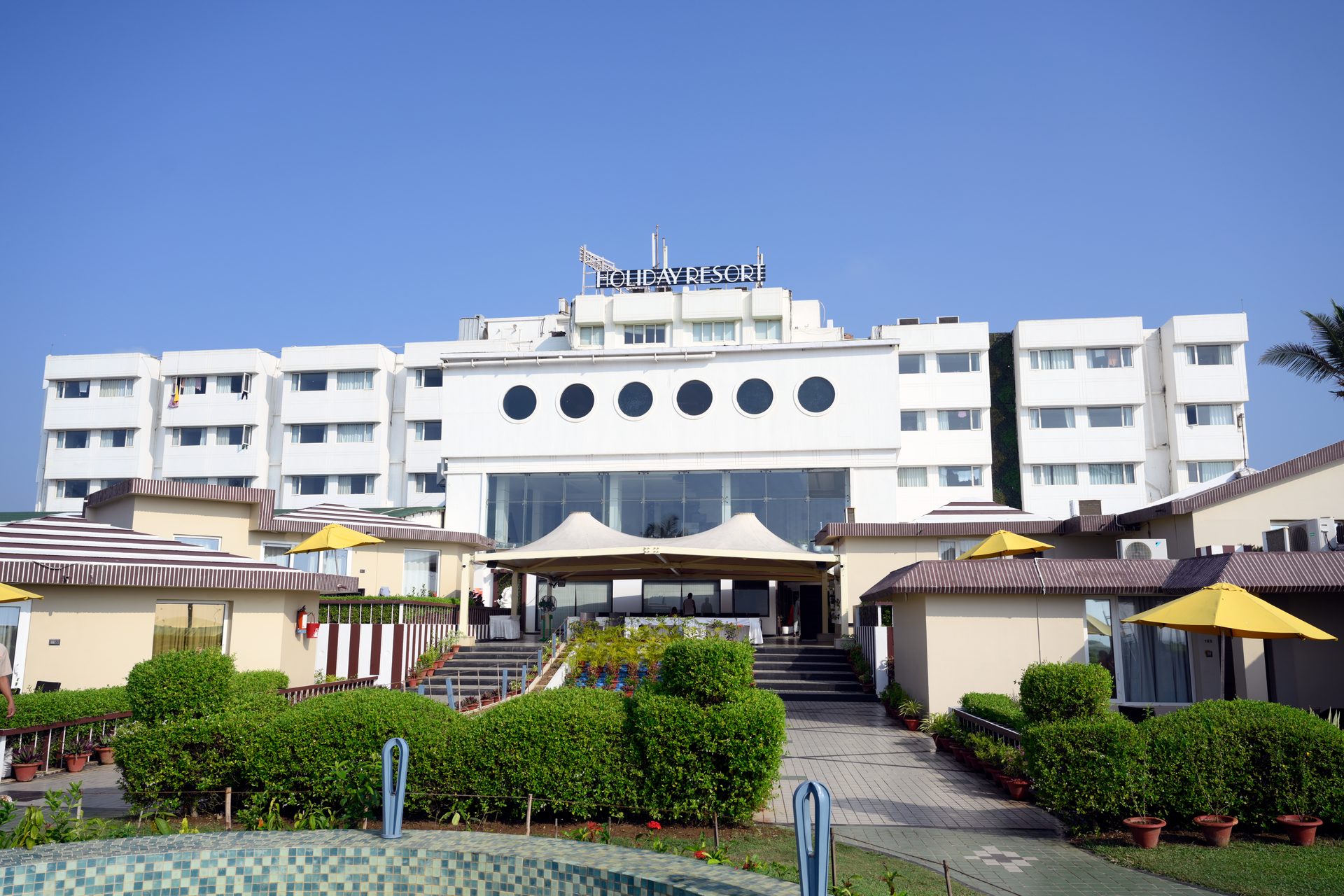
Located on tranquil Chakratirtha (C.T.) Road, Puri Holiday Resort offers the ideal beachfront sanctuary for pilgrims and spiritual travelers. Situated just 3.2 kilometres (10 to 12 minutes) from the Singhadwara of Shree Jagannath Temple, guests enjoy effortless darshan access while escaping the intense congestion of the Grand Road.
Our front travel desk provides dedicated chauffeured air-conditioned cabs, early morning darshan wake-up calls, footwear cleaning amenities upon return, and arrangements for fresh, authentic temple Khaja. After your sacred darshan, relax on our private beachfront lawns or rejuvenate at our outdoor swimming pool and Lemonade Spa.
Expert answers to the most common queries asked by pilgrims and heritage travelers:

PLEASE PROVIDE GOVT. APPROVED PHOTO IDENTITY CARD OF ALL ADULT PERSON AT THE TIME OF CHECKING IN